Vent & plumbing

Interlocking pool overflow grating made to fit

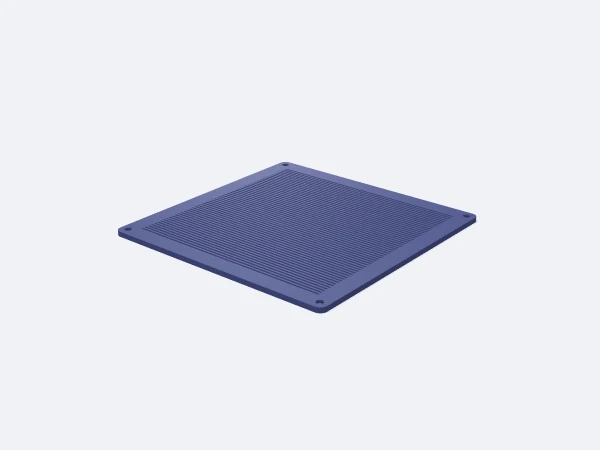
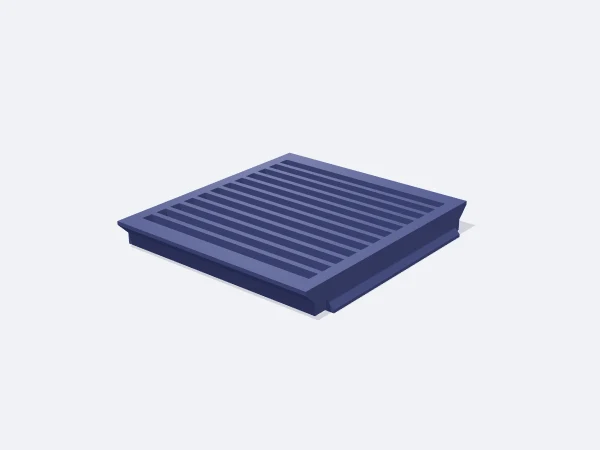
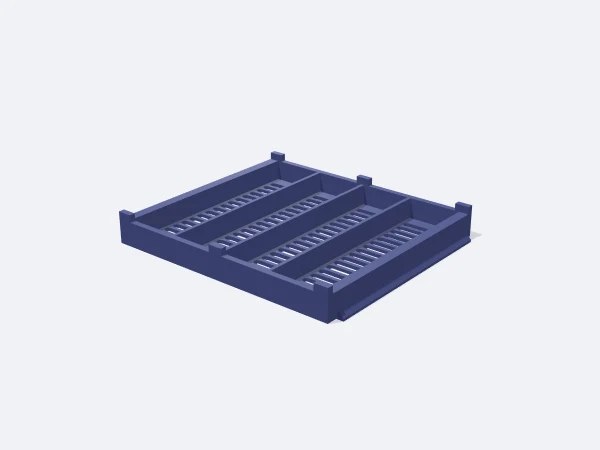
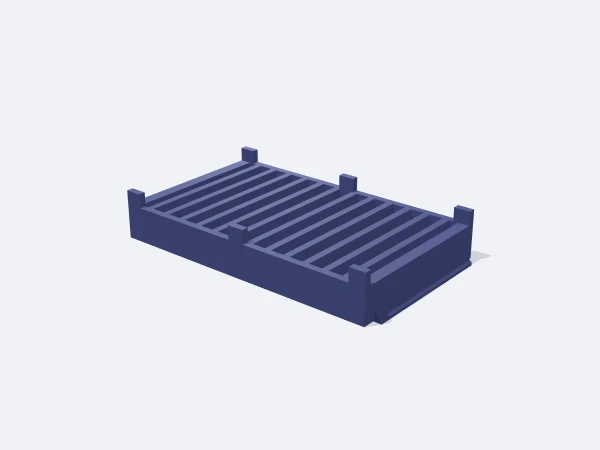
This page generates a grating module that sits over the overflow channel of a pool and exports it as an STL. Enter the channel width, module length and height in millimetres, choose the bar direction or hole pattern, and the model is recalculated in the browser.

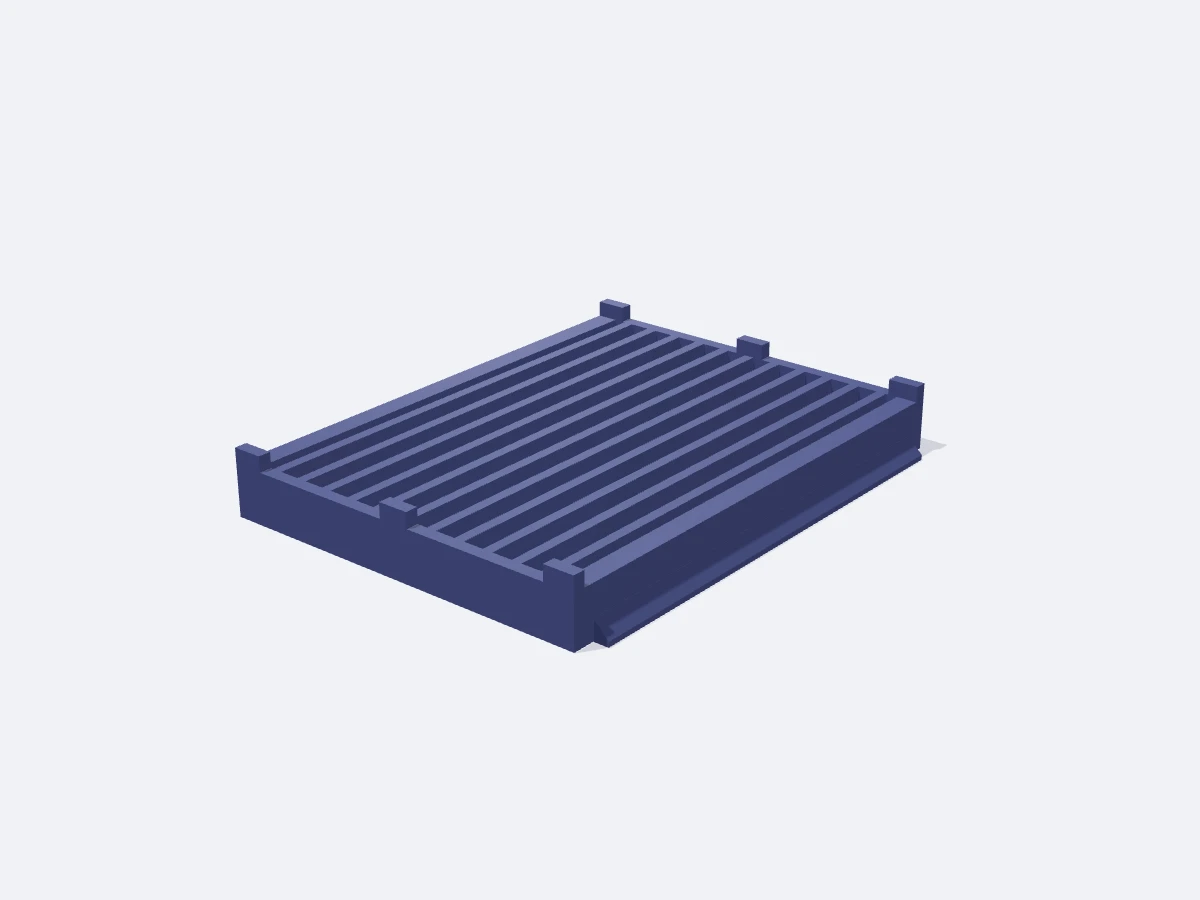
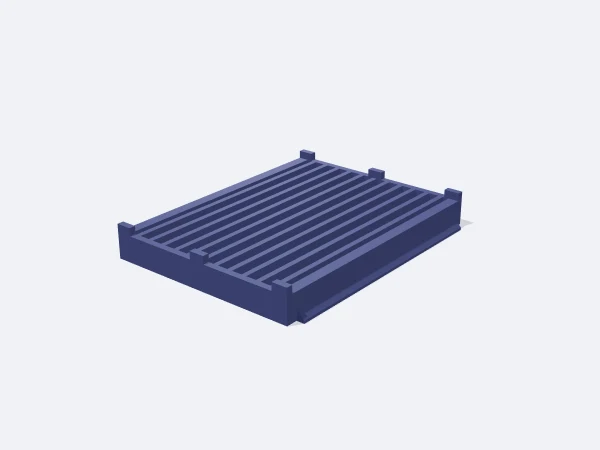
Each module has a tongue on one end and a slot with clearance on the other. The modules plug together end to end to form a continuous run along the channel. To replace one broken piece you do not have to lift the whole row; you only print that module again.

Free, no sign-up. Change the sizes in millimetres and download the STL.

Rectangular pool overflow grating module with transverse bars, anti-slip grooves on top and an interlocking tongue at one end

Ready-made variants

Each variant is the same template with different settings. Follow the link and the editor opens with those values.

Adjustable sizes

These values are edited in the editor's template panel. A number outside the range is clamped to the nearest limit automatically.

SizeRangeDefault
Shape
PatternCross bars, Long bars, PerforatedCross bars
Hole pattern *Round holes, Honeycomb, Square grid, Parallel linesParallel lines
SupportFeet, LipsFeet
Dimensions
Channel width100–350 mm200 mm
Module length50–300 mm150 mm
Height10–40 mm20 mm
Pattern
Bar thickness1.2–10 mm4 mm
Gap3–20 mm8 mm
Anti-slip groovesOn / OffOn
Mounting
Tongue and grooveOn / OffOn
Fit tolerance *0–1 mm0.3 mm
Foot height *2–30 mm6 mm
Lip width *4–20 mm8 mm

Sizes marked with a star appear in the panel only when the related shape, style or option is active.

What it is used for

  • Replacement module for a broken overflow pool grating
  • Narrow overflow channel around a hot tub or small pool
  • Cover for a shower or wet room floor channel
  • Grating for a terrace or garden drainage channel

Printing tips

Orientation
Prints upside down: walking face on the bed, feet or lips on top. The roofs of the anti-slip grooves, tongue and slot are modelled at 45°.
Layer height
Use 0.2 mm. The walking face is on the bed, so it comes out flat and smooth.
Infill
30-40% infill with 4 perimeters. People walk on the bars, so thin bars should print fully solid.
Supports
None needed. Every overhang is 45° or rests on the bed.
Material
ASA is the best fit: it handles UV, chlorine and heat. PETG works in the shade. Pick white or light grey; dark colours heat up in the sun and burn bare feet.

Tips

  • The panel warns when the footprint is over 220 mm; shorten the module.
  • Start with 0.3 mm tolerance and go to 0.4 mm if the tongue is tight.
  • Keep the anti-slip grooves on; the difference on a wet grate is clear.

Channel size and support type

Channel width is the distance between the ledges the grating rests on. If the channel has ledges, choose feet: they sit under the long side rails about 100 mm apart and carry the load on the ledge, not on the channel floor. If there are no ledges, choose edge lips; they rest on both edges of the channel and the grating hangs between them.

Set the foot height to the drop from the ledge to the top of the channel, so the grating surface ends up level with the pool deck.
Bar direction and opening

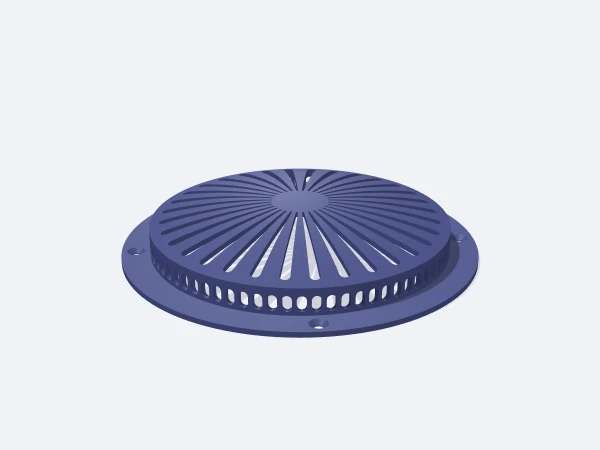
Transverse bars take water quickly and feel comfortable under bare feet. Longitudinal bars guide the flow along the channel. The perforated plate has a cross rib roughly every 60 mm and a more closed surface.

  • Bar thickness: 3-5 mm
  • Opening: 6-8 mm; keep it at or below 8 mm for small fingers and heels
  • The frame is kept at least 5 mm wide
  • Anti-slip: 0.8 mm deep V grooves with flat ridges between them

Frequently asked questions

How do the modules connect?

One end has a 6 mm tongue and the other a slot of the same shape, larger by the fit tolerance. The tongue drops into the slot from above, so modules cannot slide apart sideways.

Will it follow a curved channel?

The modules are straight. On a curved channel, shorter modules follow the curve more closely, with small angles left between them.

It flexes when I step on it. What should I change?

Increase the height or narrow the opening. A small increase in height adds much more stiffness than the same increase in bar thickness.

Similar templates

Set the sizes to fit your part

Open the template in the editor, enter your values and download a print-ready STL. No account needed.

Open in editor