Home and desk

Design a squeezer that empties every tube

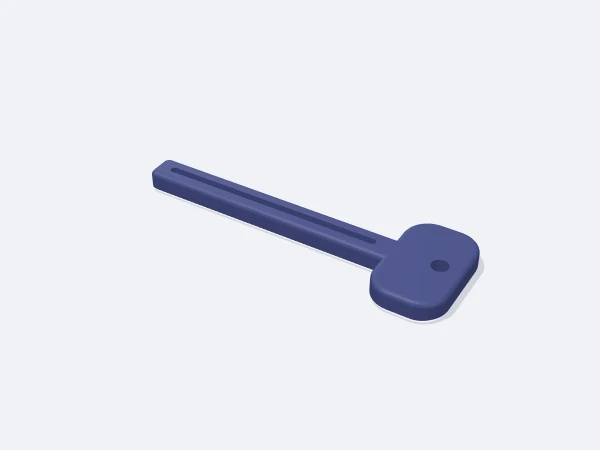
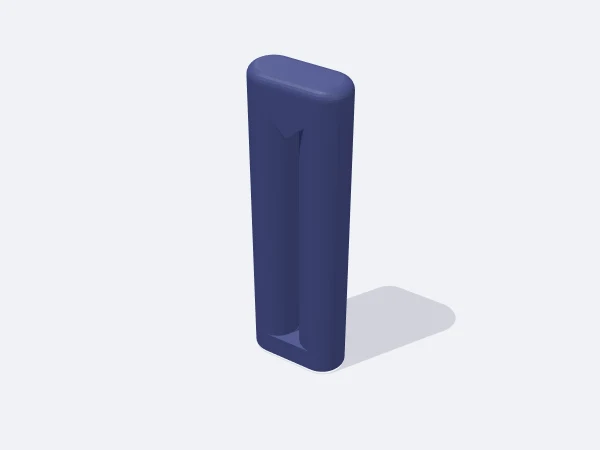
This tool generates a squeezer for toothpaste, cream, ointment and paint tubes and exports it as STL. There are two types: a key that you thread onto the crimped end and turn, and a slider with two rollers that you push along the tube. You enter tube width, slot gap and thickness in millimetres.

The straight part of the slot is always the tube width plus 2 mm, so the tube goes in without catching. On the key the slot is closed at both ends with 3.5 mm of material on each side; on the slider the gap between the two rollers equals the slot setting exactly.

Free, no sign-up. Change the sizes in millimetres and download the STL.

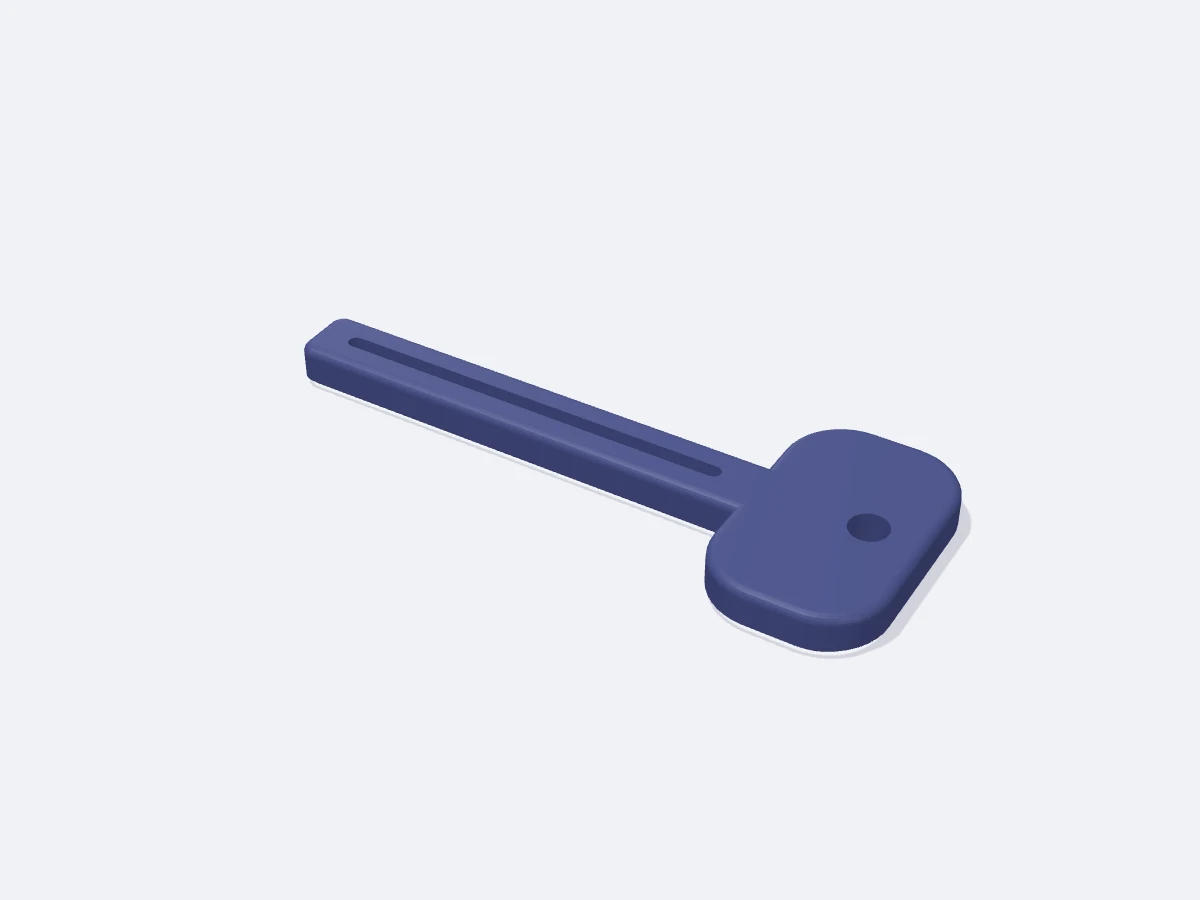
Key style tube squeezer with a slotted bar and a grip wing

Ready-made variants

Each variant is the same template with different settings. Follow the link and the editor opens with those values.

Adjustable sizes

These values are edited in the editor's template panel. A number outside the range is clamped to the nearest limit automatically.

SizeRangeDefault
Shape
TypeKey (wind-up), Slider (twin rollers)Key (wind-up)
Dimensions
Tube width30–80 mm50 mm
Slot gap0.8–3 mm2 mm
Thickness4–14 mm6 mm
Edge rounding0–3 mm1.2 mm

What it is used for

  • Using the last grams of toothpaste
  • Keeping cream and ointment tubes neatly rolled
  • Emptying acrylic and oil paint tubes in the studio
  • Reducing waste on silicone and glue tubes

Printing tips

Orientation
The key prints flat: bar and wing on the bed, top edges rounded, bottom edges chamfered at 45°. The slider prints upright; the top bridge has a 45° V roof underneath, so there is no bridging.
Layer height
0.2 mm layers are fine. For slots under 1.2 mm, 0.12-0.16 mm layers and a 0.4 mm nozzle give a cleaner opening.
Infill
The part is small; 3 walls and 30% infill keep the key from bending while you turn it.
Supports
Not needed. The key slot is a vertical hole and the slider slot is a vertical gap between the rollers.
Material
PLA or PETG. PETG copes slightly better with a damp bathroom.

Tips

  • If the slot comes out tight, keep horizontal expansion at 0 in the slicer.
  • The Ø5 mm hole in the wing lets you hang the key on a hook.

Key or slider?

The key winds the tube onto itself; as the tube shortens it collects on the bar and cannot unroll. The slider flattens the tube between two rollers instead of rolling it and is pushed towards the cap. For toothpaste the key is more economical, for thick cream tubes the slider is more comfortable.

  • Key: 1.8-2.2 mm slot, the crimped end slides in easily
  • Slider: 1.0-1.4 mm slot, an empty tube is 0.6-1 mm thick
  • The panel warns when a slider slot is wider than 1.6 mm
How the dimensions are calculated

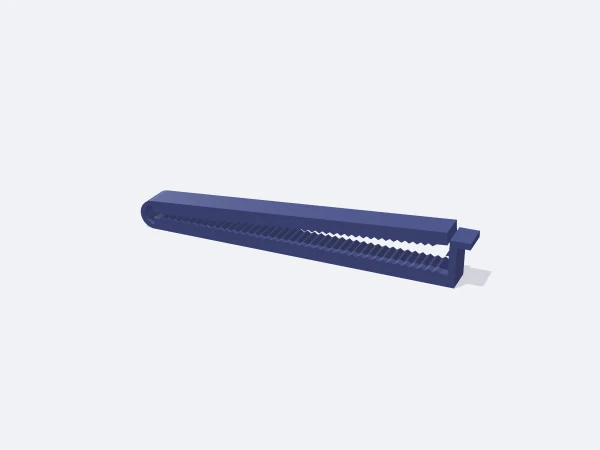
The key bar is the slot gap plus 7 mm wide. Slot ends are semicircles and the straight part equals tube width plus 2 mm. The wing is at least 34 mm wide. On the slider the roller diameter is the thickness setting; the bottom bridge is 6 mm and the top bridge is 6 mm above the V roof.

Frequently asked questions

How do I measure tube width?

Measure the flat crimped end at the bottom of the tube with a ruler. Toothpaste tubes are usually 45-55 mm, large cream tubes around 60-70 mm.

Why is the slot closed?

A closed slot joins both sides of the bar at the tip, so it does not spread like a fork while turning. The flat end of the tube is pushed straight through the slot, perpendicular to the key.

Will the slider tear the tube?

The rounded rollers touch the tube along a line with no sharp edge. Friction rises when the slot is much narrower than the tube; 1.2 mm is a good starting point.

Similar templates

Set the sizes to fit your part

Open the template in the editor, enter your values and download a print-ready STL. No account needed.

Open in editor